
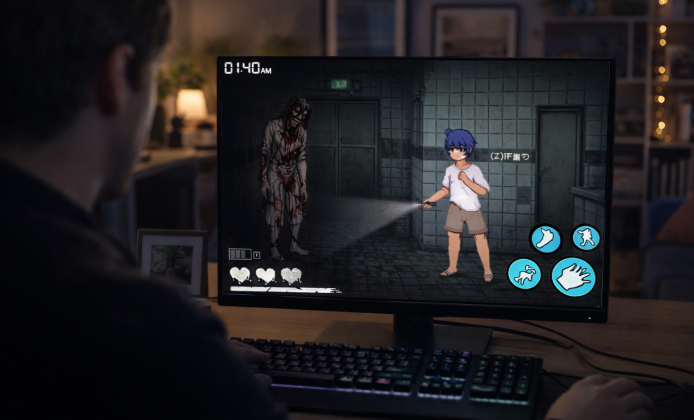
Fans of tense, choice-driven adventures often look for sequels that expand the world, and in this overview, players who are curious about Tag After School 2 can quickly understand what kind of experience awaits them after the final school bell rings. Instead of just repeating the same story beats, the sequel adds fresh locations, new characters and more complex decisions that affect how the mystery unfolds. With this guide, you will see how to prepare your computer, install the title safely and get the most comfortable controls from the first session.
What Makes the New Sequel Stand Out
While the first release focused mainly on straightforward tension and linear storytelling, the new Tag After School 2 game builds on that foundation with deeper branching routes, optional scenes and multiple endings that reward careful exploration. The atmosphere still revolves around eerie corridors and empty classrooms, but now there are more interactive objects, side objectives and hidden clues to discover between main story events. Because of this, the sequel feels more like a full adventure where your timing, choices and attention to detail genuinely shape the outcome.
- Expanded locations introduce rooftops, storage rooms and hidden corners that were never accessible before, which makes every playthrough feel slightly different.
- Improved AI behavior means characters react more dynamically to noise, light and your route through the school, so repeating the same path is no longer a guaranteed safe option.
- Additional difficulty options let you tune the experience, giving newcomers a more forgiving run while offering veterans a mode with stricter timing and fewer hints.
Why the PC Version Is Worth Considering
For most players who want smooth frame rates and sharper details, running Tag After School 2 on Windows PC provides a more stable experience than using an older mobile device or weak laptop emulator. Thanks to adjustable graphic settings, you can lower shadows or post-processing effects on modest hardware, or push everything to high on a modern gaming rig. This flexibility is especially important in scenes where quick reactions and clear visibility can determine whether you escape a threat or get caught.
Compared with the portable version, the Tag After School 2 game on PC can deliver higher resolutions, better texture filtering and wider field-of-view options that make the dark corridors easier to read at a glance. On top of that, PC players gain access to multiple control schemes, including keyboard and mouse, full controller support and customizable keybinds for actions like sprinting, interacting with objects or opening menus. This allows you to tailor the controls until they feel natural, which helps you stay immersed in the story rather than fighting with the interface.
Tip: before diving into the first chapter, spend a few minutes in the settings menu adjusting brightness, audio levels and keybinds so the experience feels comfortable from the very beginning.
Safe Installation: Your Practical Download Walkthrough
To avoid broken files, pop-ups and untrusted mirrors, this Tag After School 2 download guide focuses on clean sources, basic security checks and simple steps that work for most desktop configurations. By following a structured process, you dramatically reduce the chance of malware, incomplete archives or crashes caused by incorrect installations. Make sure you always cross-check the size of the installer, keep your antivirus enabled and avoid downloading anything from suspicious pop-up ads or unknown links.
- Check that your PC meets the minimum system requirements by verifying CPU model, RAM and available storage space in your system settings before you proceed with anything else.
- From our fan website, choose the correct desktop build and download Tag After School 2 to a dedicated folder so it is easy to locate later.
- Once the file has arrived, scan the installer with your security software, then run it as an administrator and follow the on-screen steps without skipping license or path selection screens.
- After installation, open the launcher, look for any available updates and apply them so that critical bug fixes and performance improvements are active from your first session.
Windows 10 and Windows 11 Compatibility
Even if you are running an older operating system, setting up Tag After School 2 on Windows 10 is generally straightforward as long as you keep your graphics drivers updated and install the latest system patches from Microsoft. Most launchers and digital stores still fully support this version of the OS, so you can expect regular updates and stable performance on properly maintained machines. You should only encounter issues if your hardware is far below the recommended specifications or if essential system components have not been updated for a long time.
On newer devices, configuring Tag After School 2 for Windows 11 takes advantage of more modern features such as improved window management, refined game mode optimizations and better integration with current-generation controllers. Many players report smoother alt-tabbing between the game and streaming or chat apps, which is useful if you like to share your reactions with friends while playing. Regardless of your operating system, enabling automatic updates for both the game client and your GPU drivers is a simple way to keep performance consistent over time.
| Component | Minimum Recommendation | Ideal for Smooth Play |
|---|---|---|
| Operating system | Windows 10 64-bit | Windows 10 or 11 with latest updates |
| Processor | Entry-level quad-core CPU | Modern six-core CPU or better |
| Memory | 8 GB RAM | 16 GB RAM or more |
| Storage | HDD with enough free space | SSD for faster loading times |
| Graphics | Basic dedicated GPU or strong integrated graphics | Recent mid-range or higher dedicated GPU |
First Steps and Control Tips on PC
After launching the client for the first time, you will typically land in a main menu where you can adjust options before you actually play Tag After School 2 with your chosen difficulty and display settings. At this stage, it is a good idea to map key actions like sprinting, crouching and interaction to keys that feel natural for your hands, especially if you are left-handed or prefer unconventional layouts. Many players also benefit from adjusting mouse sensitivity to balance quick camera turns with the precision needed to inspect desks, lockers and bulletin boards for clues.
- Use headphones for directional audio so you can better judge where footsteps, creaking doors or environmental cues are coming from during tense moments.
- Increase brightness slightly if you find dark areas hard to navigate, but avoid turning everything too bright, as this can reduce the intended atmosphere and make key objects harder to distinguish.
- Experiment with the difficulty settings until you find a balance where tension stays high but repeated failures do not become frustrating.
Optimizing the Experience on Different Windows Versions
Players with mid-range desktops often report that keeping background applications closed and enabling game mode leads to a noticeably smoother session when they run Tag After School 2 on Windows PC alongside chat tools or browser tabs. Simple steps like disabling unnecessary startup programs, ensuring that power profiles are set to “High performance” and keeping enough free disk space for temporary files can also reduce stuttering. These small optimizations are especially helpful during scenes with many animations, lighting effects or scripted events occurring at the same time.
If your hardware is strong enough but load times still feel slow or cutscenes occasionally stutter, checking how the Tag After School 2 game on PC interacts with your antivirus and overlay software can solve the problem by adding the installation folder as an exception or disabling extra overlays while you play. Some users also prefer to lock the frame rate to a value their monitor can comfortably display, such as 60 or 75 FPS, to avoid unnecessary spikes that create a less consistent visual experience. Combining these tweaks gives you a more predictable performance profile, which is important for a game that relies heavily on timing and atmosphere.
PC Performance Tips
Many newcomers wonder whether they should install on an older laptop or wait for a new machine, and in most cases, the game runs acceptably if the system meets the minimum specs outlined above and if Tag After School 2 on Windows 10 is kept fully updated. When performance feels borderline, lowering resolution slightly and reducing shadow quality can dramatically improve frame rate without making the image look overly blurry. Always test different combinations of settings in a quiet early section of the story before committing to a full session with your chosen configuration.
Users preparing new devices often ask about future-proofing and, for that scenario, choosing hardware that comfortably exceeds the minimum specs makes sense because Tag After School 2 for Windows 11 benefits from stronger CPUs, faster SSDs and current graphics cards that handle complex lighting with ease. Investing in a reliable gamepad or high-quality mouse can also improve the feel of movement and camera control, which matters as much as raw frame rate in a suspense-focused experience. By planning ahead, you make sure that upcoming updates, patches or added content run smoothly without requiring major hardware changes.

 How to Enjoy Tag After School APK on PC Without Glitches
 Ultimate Player’s Guide to Tag After School: Free & Simple Ways to Start
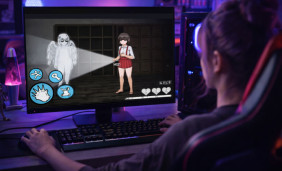 Complete Guide to Full Tag After School Game Experience
 Tag After School 2 on PC: Complete Guide to Safe Installation
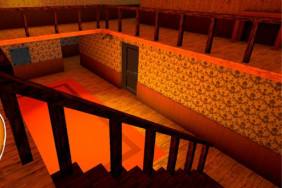 What Is Tag After School and How to Play?
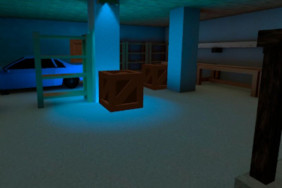 Best Games Similar to Tag After School